
The Ku Klux Klan originated in the south, after the Civil War, but was relatively short-lived. In the mid-19-teens, a large scale revival of the Klan began, inspired by the movie The Birth of a Nation. That film showed a re-imagined, shockingly racist version of the south during Reconstruction, and depicted the Knights of the Ku Klux Klan as heroes.
This second generation Klan spread quickly throughout the U.S., including Colorado. Their tenets were pro-white Protestant and anti- anything else. They marketed themselves as a pro-morality social club but were known for burning crosses and hiding their identities beneath robes and hoods.
South Table Mountain was a popular gathering place for the Denver-area Kluxers. The various Klan chapters drove out to Golden on “the cement road” (Colfax). The automobiles would be stopped by robed and hooded Klansmen on horses and their identities checked before they were allowed to proceed up South Table Mountain towards Castle Rock. During their meetings, they burned crosses which, according to the Transcript, were at least 50 feet high and could be seen for miles around.
The Klan liked to make very public donations to what they considered worthy causes. In 1923 and 1924, the Transcript told of hooded Klansmen visiting the Presbyterian, Methodist, and Baptist churches in Golden and donating money or, in one case, a rug.
101 Years Ago
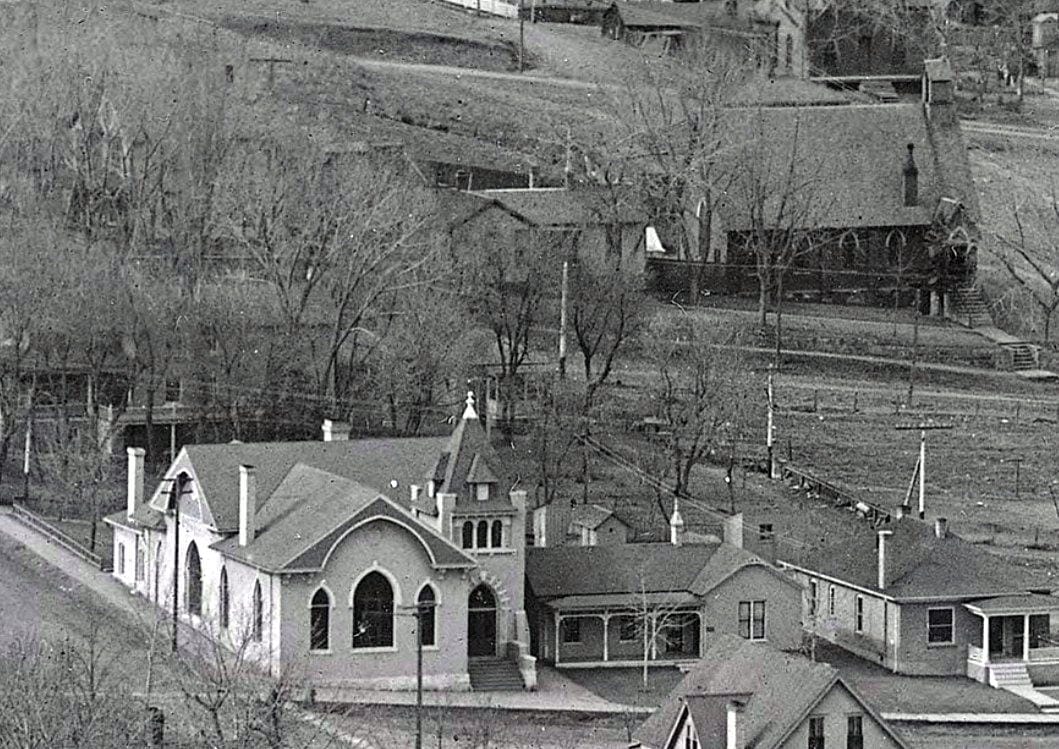
The October 2, 1924 Colorado Transcript included this article about a Klan visit to the Methodist church.
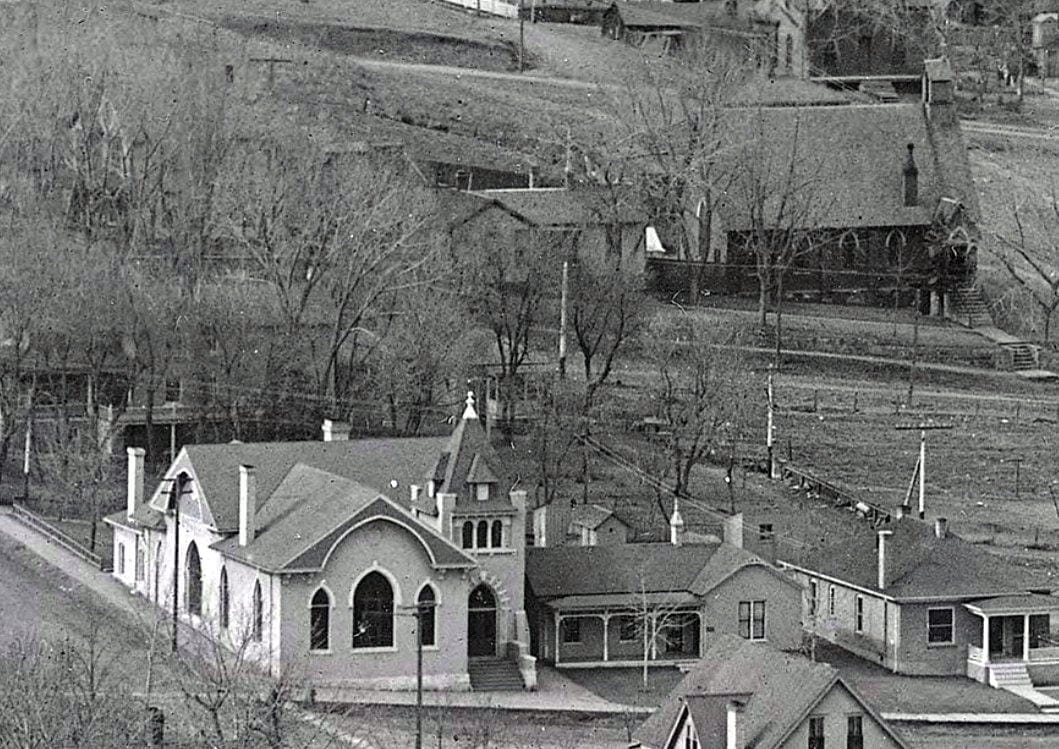
KLANSMEN VISIT GOLDEN CHURCH
About thirty robed members of the Ku Klux Klan paid a visit to the Golden Methodist church during the Sunday night services and presented the pastor with a purse containing twenty-five dollars.
The Klansmen opened the door of the church just as the first hymn of the service was being concluded. They formed lines in both the aisles and at conclusion of the hymn, the spokesman went to the front and made a short talk. He informed the pastor and the congregation that the Klan admired the work being done by the church and stated that the Klan stands for the same principles as does the church. He then presented the money and asked the pastor to lead in prayer. Mr. Beattie gave a short prayer and the Klansmen filed out and entered automobiles which had been left standing at the curb.
The second Klan reached its height of popularity in the mid-1920s and crumbled by the early 1930s, largely due to embezzlement at both the national and local levels. It was reignited in the South during the Civil Rights Movement.