POOR HOUSE: There’s a term you don’t hear much anymore. I encounter it fairly often in old Transcript articles. City and County financial reports regularly included line items for care of “paupers.”
The July 22, 1874 Colorado Transcript commented on the increasing costs of maintaining paupers:
The great increase in this item again suggests the necessity for a county farm, where the pauper labor may be utilized to some extent, instead of having it whittle sticks in front of our best hotels. There is nothing hard about this measure except its common sense, for the poor and unfortunate, in common with their more fortunate brethren, should be willing to recognize that there is nothing without its price, and that the law of labor is universal as well as honorable.
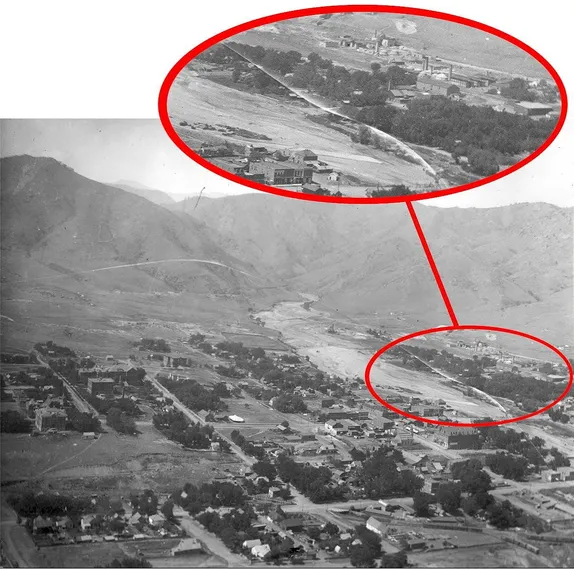
The first county poor house was located on Garrison Street (now called 9th Street). In 1895, the commissioners leased property on the southern edge of the city and moved “the inmates” there.
The move is a good one, as it is a comfortable place with plenty of pure water, a nice garden tract, and plenty of out-houses, so that the unfortunates can raise chickens, garden truck, etc., when they are able. It might be a good idea to establish a hospital in that same locality for such as might be attacked with contagious diseases, as it is isolated from the more thickly-settled part of town. – Colorado Transcript, May 22, 1895
When necessary, the county provided assistance (generally in the form of food or fuel) to people who still had somewhere else to live. An August 11, 1897 report stated that there were seven inmates living in the poor house and thirty-one people total were receiving county assistance.
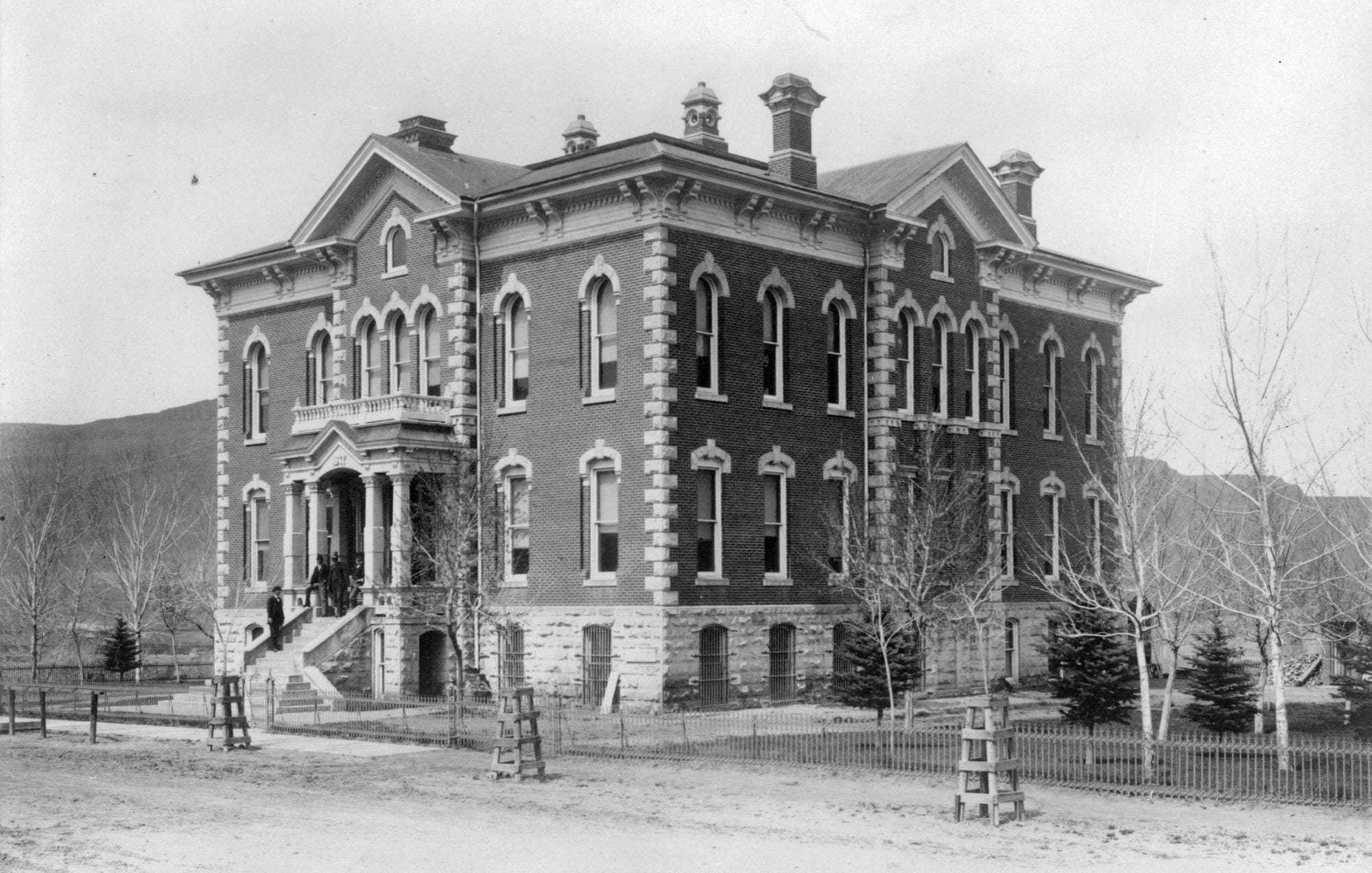
There was stigma associated with accepting public assistance, and actually living in the poor house was the most stigmatized situation of all, as seen in this article, where the county commissioners objected to paying for creature comforts for the inmates of the poor house:
Commissioner Holley desired to go on record as opposed to the county buying tobacco for inmates of the poorhouse, the amount used in June being $4.60. Commissioners Hobbs and Shock also voted not to allow any more tobacco bills. – Colorado Transcript, July 19, 1899
They relented the next month:
It was ordered that hereafter William H. Irwin and William Hill be allowed chewing tobacco and Mrs. Hester smoking tobacco, the above mentioned people being inmates of the poor house…. On motion it was ordered that hereafter the county will not pay rent for anyone. – Colorado Transcript, August 17, 1899
Similar conversations occurred at regular intervals in subsequent years, with commissioners chaffing under the pauper bills and looking for ways to economize.
Rather suddenly in the 1930s, all references to poorhouses ended. Why would this be? Roosevelt’s New Deal provided different forms of relief–notably government work programs and old age pensions. Those programs were designed to allow people to live on their own or with family, rather than being institutionalized.
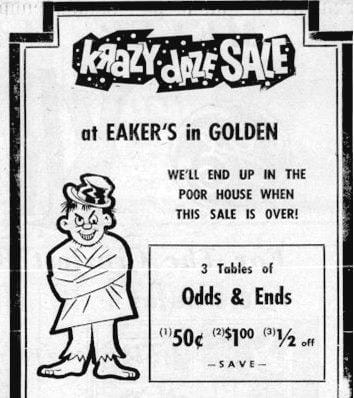
The term “poor house” stayed in our lexicon for at least another generation, most often in the context of, “You’re going to drive us to the poor house!” The last reference I found of the term “poor house” appeared in a 1964 advertisement for Eaker’s Department Store–probably written by someone old enough to remember when poor houses still existed!