Several years ago, I heard a radio interview with the author of Once Upon A Playground, which was a history of playgrounds and playground equipment. As a child, Brenda Biondo had spent many happy hours playing in public parks. Thirty years later, when she had her own child, she noticed that the styles of playground equipment had changed in the interim years. Gone were the molten-hot metal slides and the whiplash-inducing (but fun!) merry-go-rounds of old. They had been replaced by safer plastic equipment.
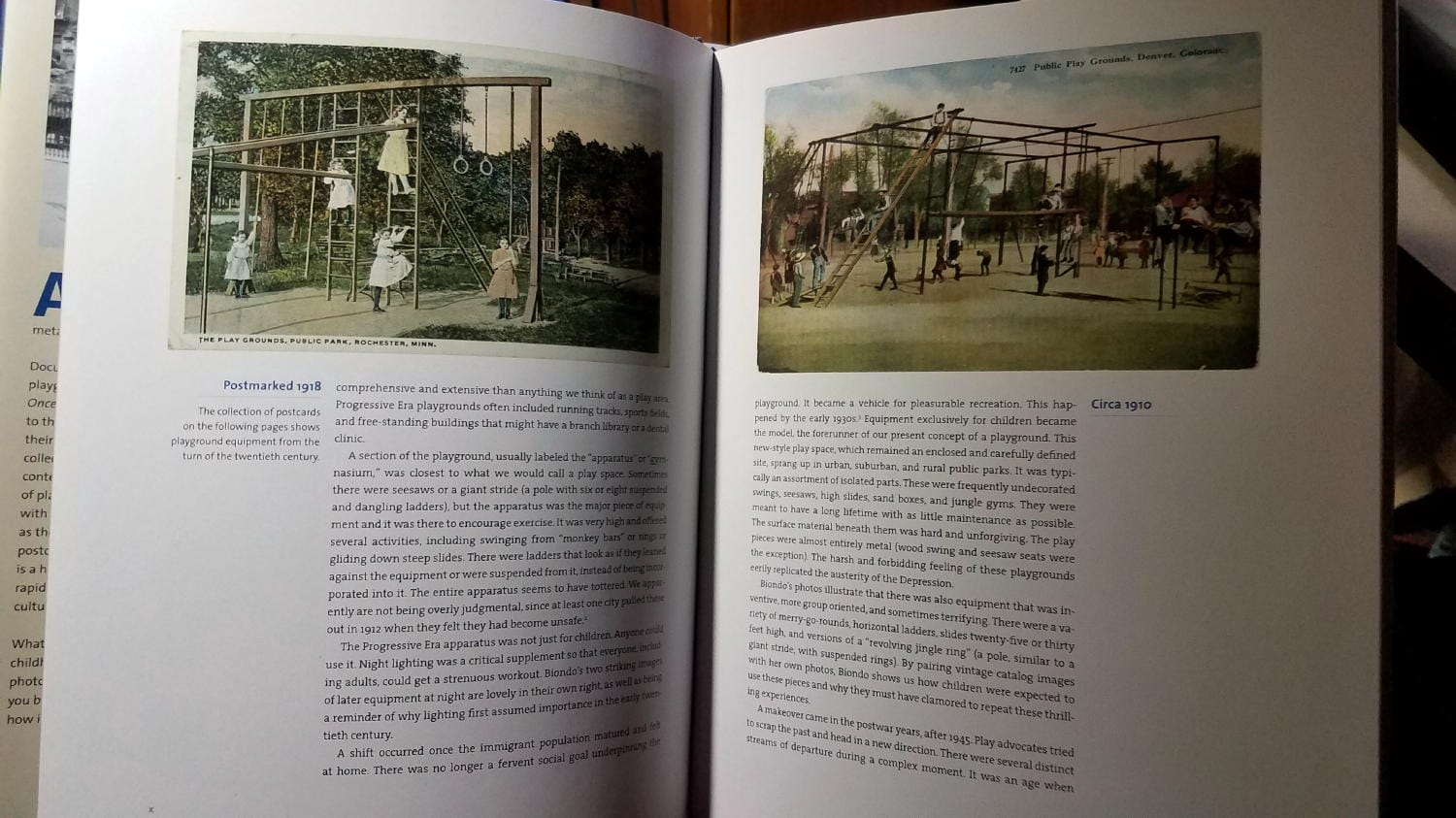
This inspired Ms. Biondo to travel around, searching out old playgrounds with old equipment, which she began to photograph. That sounded like exactly the kind of project I would undertake, and I was so intrigued that I bought the book. I learned that playgrounds were developed as part of the Progressive movement in the early 20th century. They were a new idea, designed to keep kids busy, healthy, and out of trouble. They soon began to appear in towns across the country.
Now here’s the Golden connection:
116 Years Ago
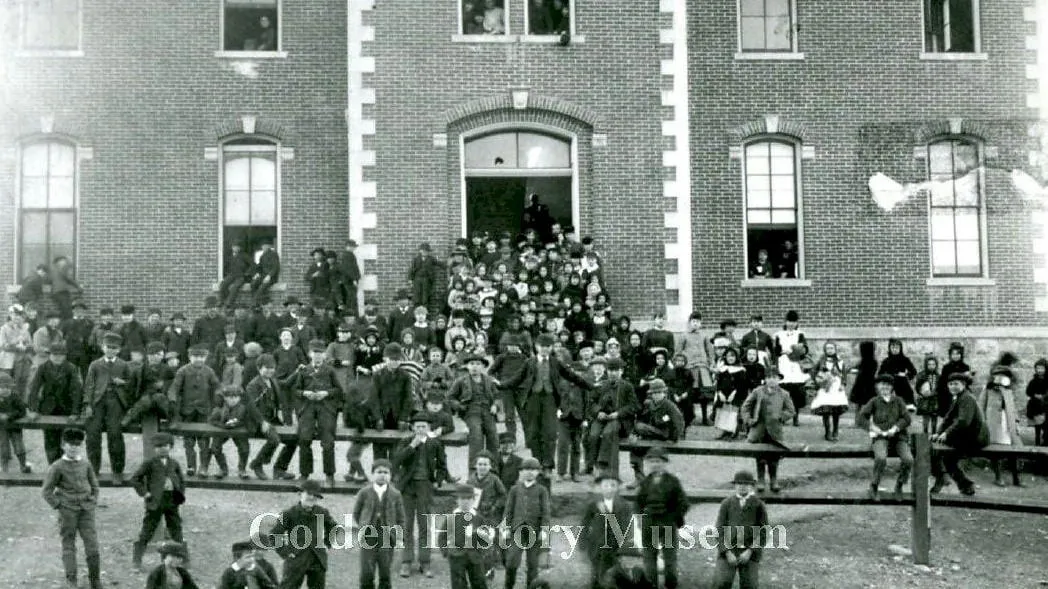
The January 13, 1910 Colorado Transcript announced that the graduating class of 1910 planned to purchase playground equipment as their class gift to the school.
The playground movement has assumed large proportions all over the country, and many kinds of apparatus have been devised by which children can get exercise and fun at the same time. These include teeter boards, merry-go-rounds, chute-the-chutes, flying rings, swings, etc.
The students were in rehearsal for their senior play, and planned to donate the ticket proceeds to the playground fund. When they learned of this plan, the Golden Improvement Club–a precursor to the Golden Chamber of Commerce–pledged to contribute to the project.
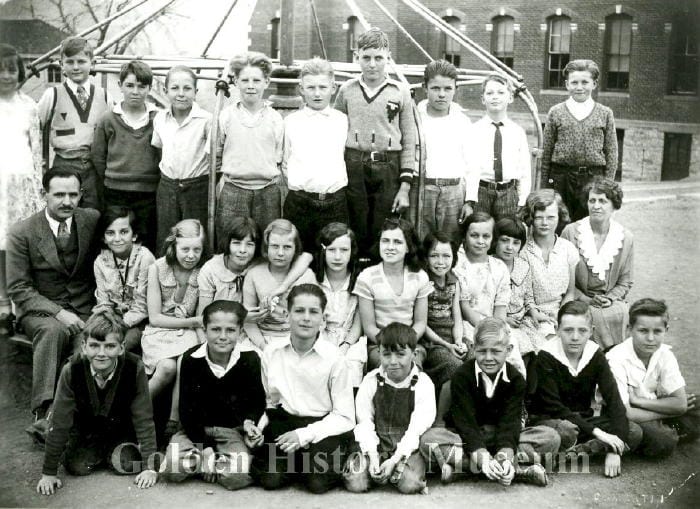
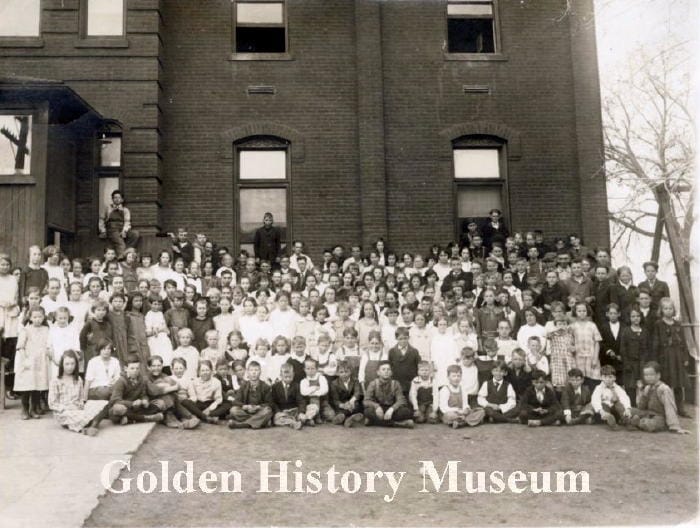
The following June, at commencement, the class presented the Golden schools with two sets of playground equipment–one for the North School and one for the South School.