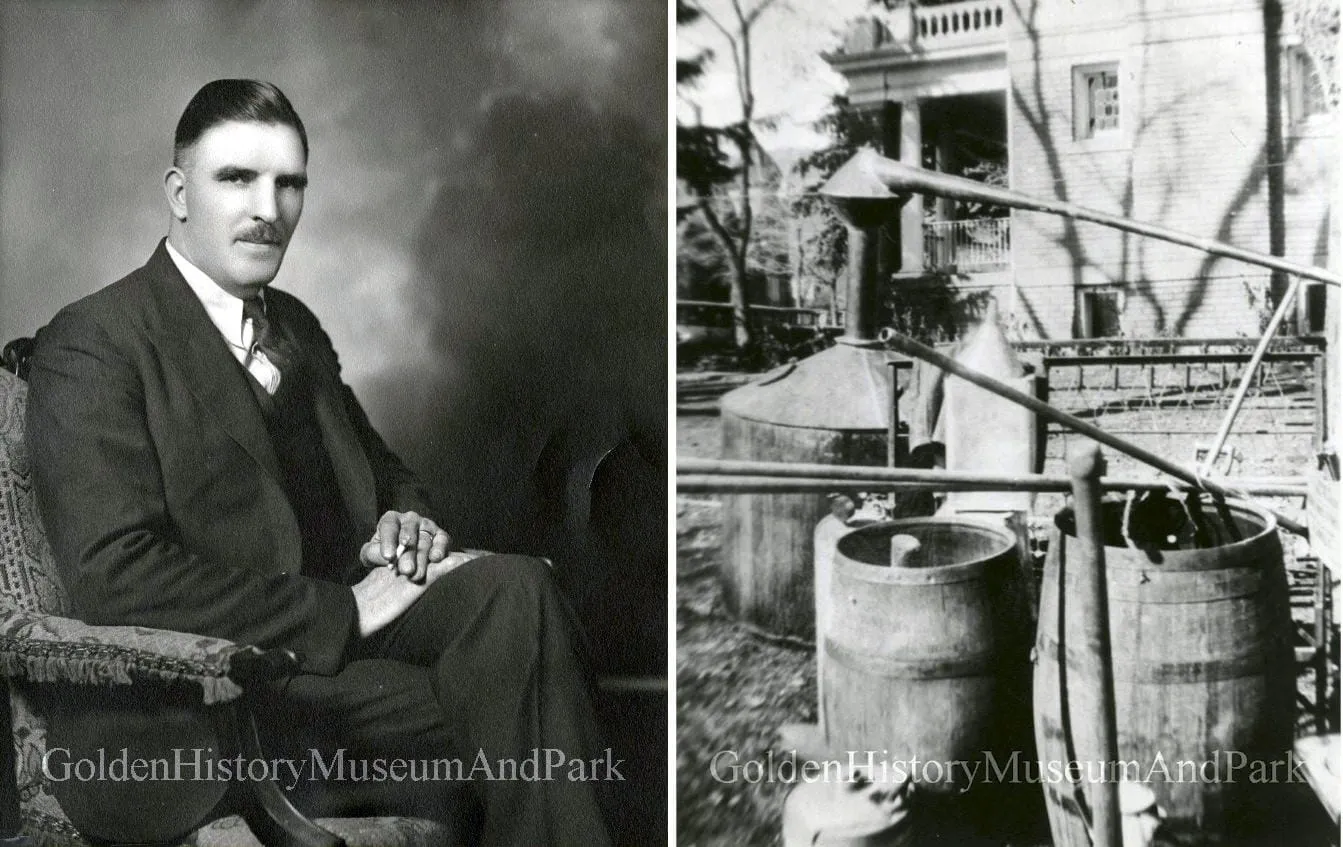
Prohibition took effect in Colorado in 1916. Often called “the noble experiment,” it had unintended consequences, such as the rise of organized crime. Many also felt that Prohibition encouraged over-zealous policing against small-time offenders.
By 1932, The Transcript fell into that camp. In 1930, Jefferson County had elected as sheriff James Biggins, who had no experience in law enforcement. His sole campaign promise had been to enforce Prohibition laws. By 1932, the Transcript had had enough. They published an editorial slamming the sheriff’s tactics.
As a snooper and raider the present sheriff has been unexcelled. People with a few pints of home brew in their cellars have lived in mortal fear of the local officers. Men with a drink or two on their hips have been pursued and prosecuted relentlessly. Business men have been harassed to a point which amounts almost to persecution.
Sheriff Biggins and his deputies have seemingly devoted all their energies to the enforcement of one law and no one can say they have not been efficient.
How about the other side of the picture? How about the enforcement of other laws? How about the discharge of the ordinary duties of the sheriff’s office? Here the record is not so outstanding.
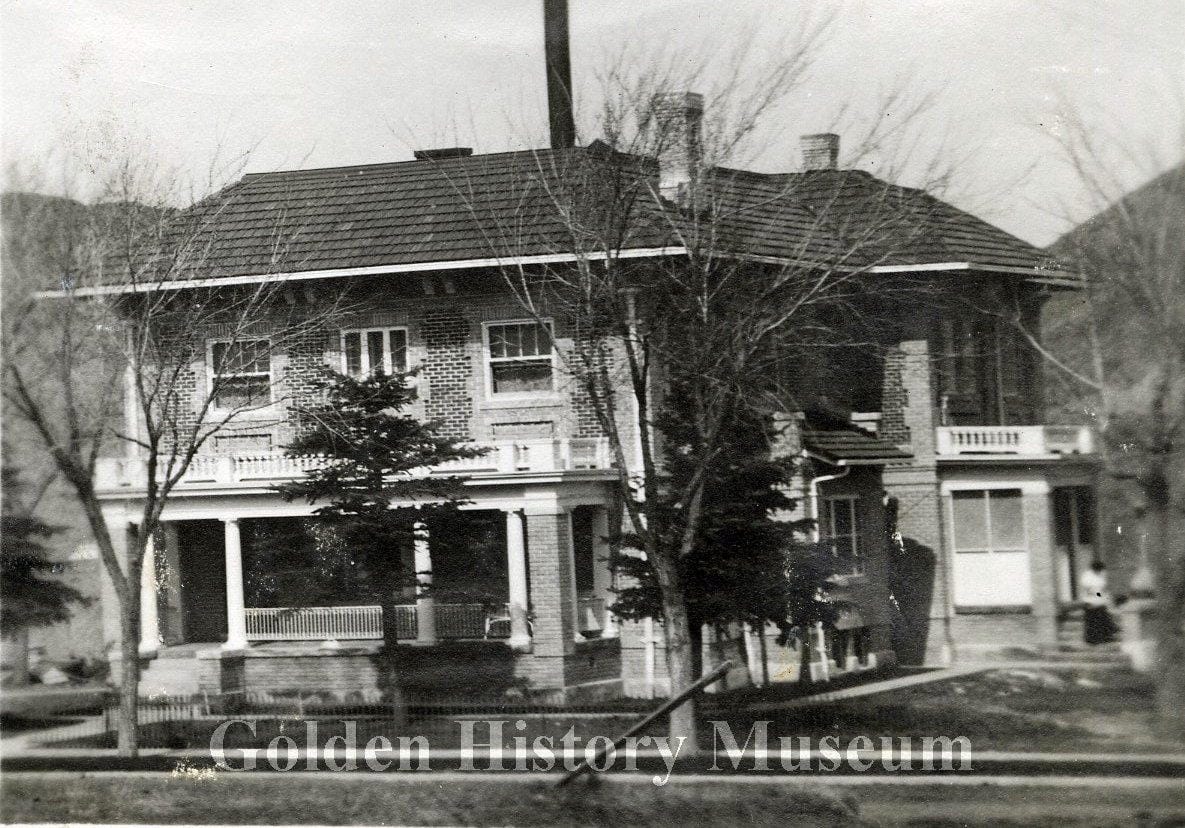
The editorial went on to decry the mounting expenses of the sheriff’s office in their “fanatical attempt to make Jefferson county a prohibition Sahara…not only to pay dozens of breathsmelling deputies but to prosecute minor violators and support them while in jail.”
More importantly, two men had died under Biggins’ administration. One man had been shot by officers while resisting arrest and the other had smuggled a weapon into jail and taken his own life.
The Transcript was encouraging reelection of the previous sheriff, Democrat Walter Johnson. They said he would “keep his feet on the ground, his nose out of people’s cellars and his finger off the trigger.”
Prohibition had passed with bi-partisan support, but by 1932, the Democrats–led by Franklin Delano Roosevelt–were showing more support for ending it.
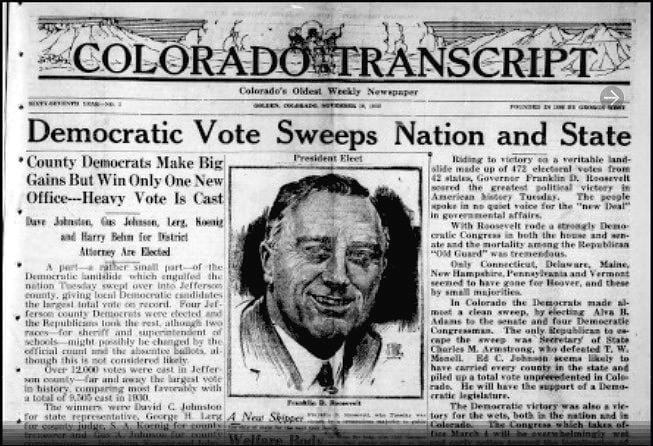
The following November, Biggins won re-election by a narrow margin, but nationwide, the tide was turning against Prohibition. Congress repealed Prohibition on December 5, 1933.