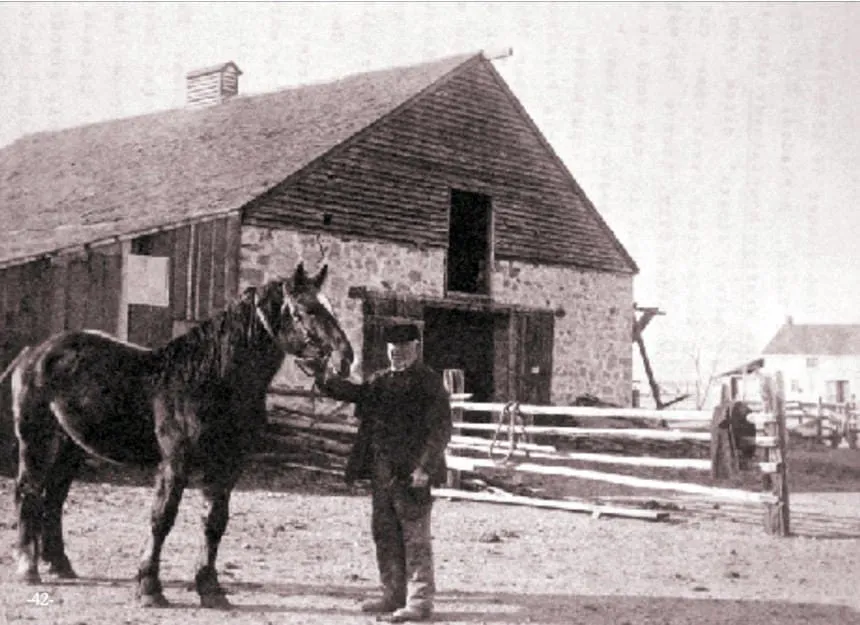
153 Years Ago
This area was growing in the post (Civil) war years, and free land was still available through the Homestead Act. Would-be settlers often wrote the Transcript, asking for information about local land and the mechanics of filing a claim. The December 18, 1872 Colorado Transcript responded to “the rapid increase of immigration to this Territory, and the loud call that constantly comes up from outside for reliable information in regard thereto….”
To qualify for a homestead, a person had to be a citizen of the U.S. or an immigrant who has declared his intention to become a citizen. Women as well as men were eligible to claim homesteads.
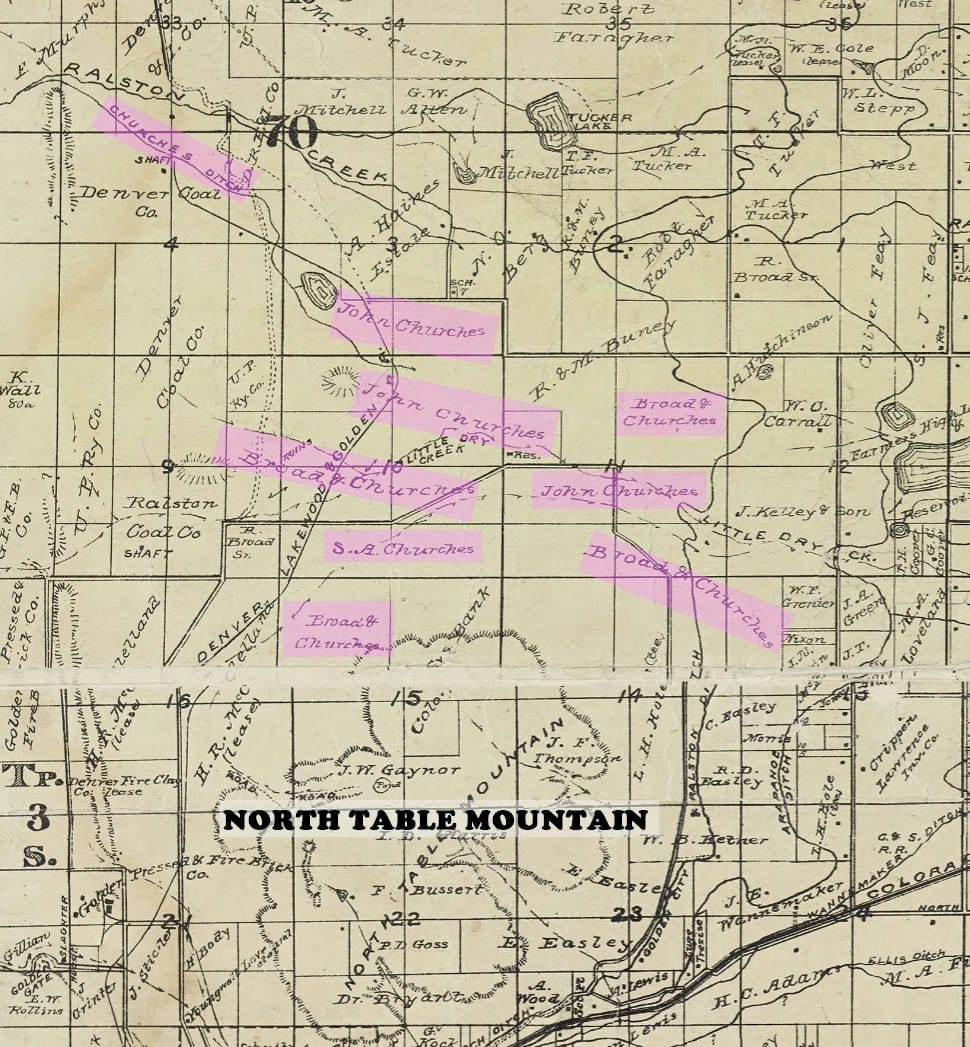
An applicant could file on 80 acres within the limits of a railroad grant (which generally meant within 1 mile of a railroad) or 160 acres outside of a railroad grant. He or she had to pay an initial application fee, which ranged from $7-18, depending on the quality and quantity of the land.
The applicant had to live on that homestead, improve it (build a house and barn), and farm it for five years. At the end of that time, the applicant owned the land, free and clear.
Former soldiers or sailors were entitled to subtract their enlistment period from the five years, enabling them to own the land that much sooner.
A homesteader also had the option to improve the land, live on it and farm it, and then buy it at the government price ($1.25-$2.50/acre) after as little as six months.