
As automobiles became increasingly common during the early 20th century, the time-honored tradition of children playing in the streets became more and more dangerous.
93 Years Ago
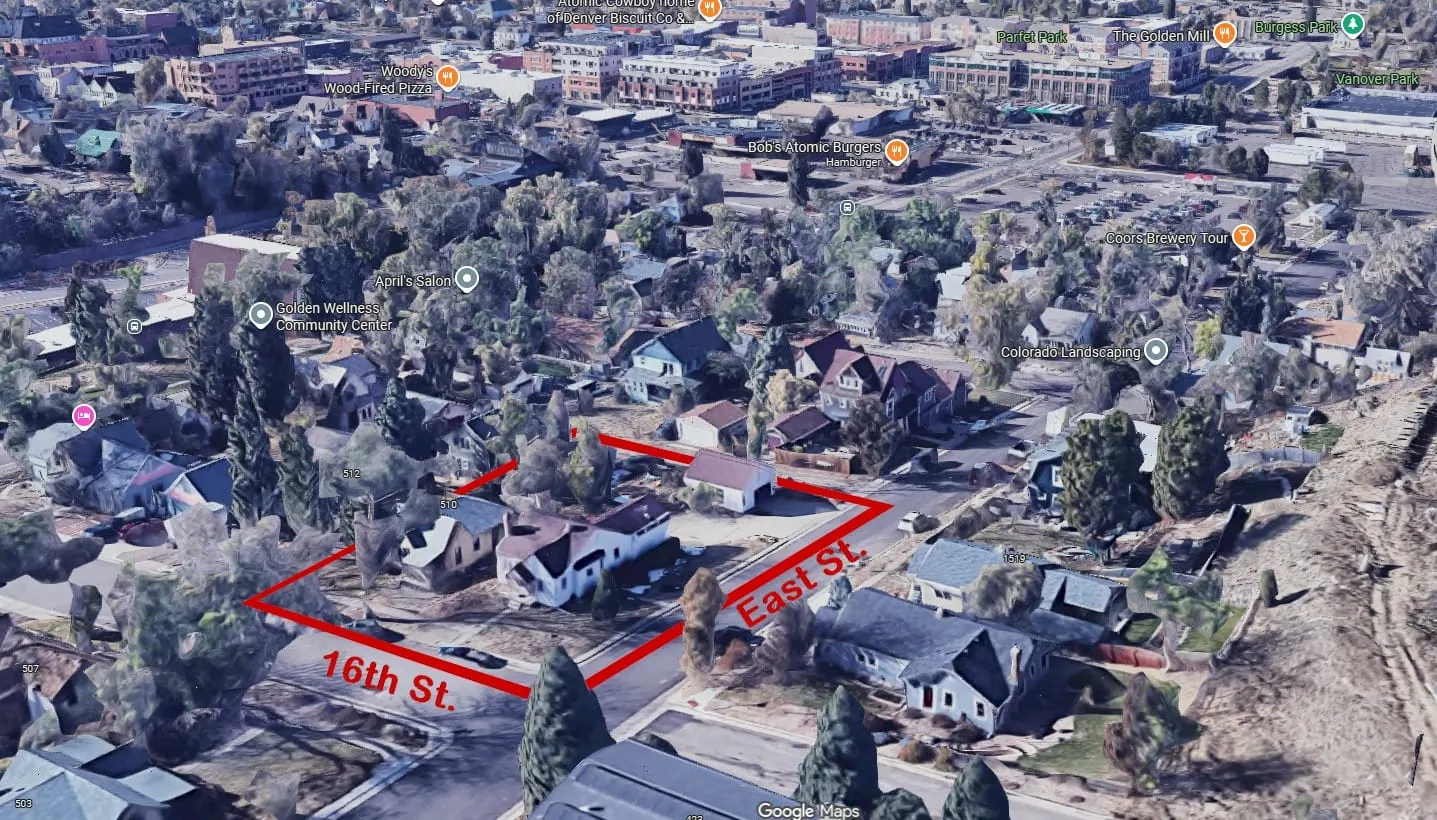
The July 27, 1933 Colorado Transcript reported that "a committee of East street citizens" wanted to build a playground at 16th and East Streets. The property owner planned to donate the empty lots, which comprised about one-fourth of a block.
Parents declare that such playgrounds will prove of inestimable value in keeping children from playing in the streets, where, no matter how careful they may be, they are in constant danger of suffering injury from automobiles. Then, too, the playgrounds, devoted exclusively to the use of the children, will create a greater interest in healthful outdoor games and sports, and keep the youngsters in their own neighborhood, thus relieving parents of much worry.
Colorado Transcript - July 27, 1933
The East Street committee planned to include "a baseball diamond, bicycle track, swings, and other playground equipment." They hoped that this new park would inspire playgrounds on vacant lots in other neighborhoods.
The East Street group approached City Council, asking for use of the city's tractor and help from a street crew to remove rocks from the proposed playground. Council referred the matter to the Park committee.
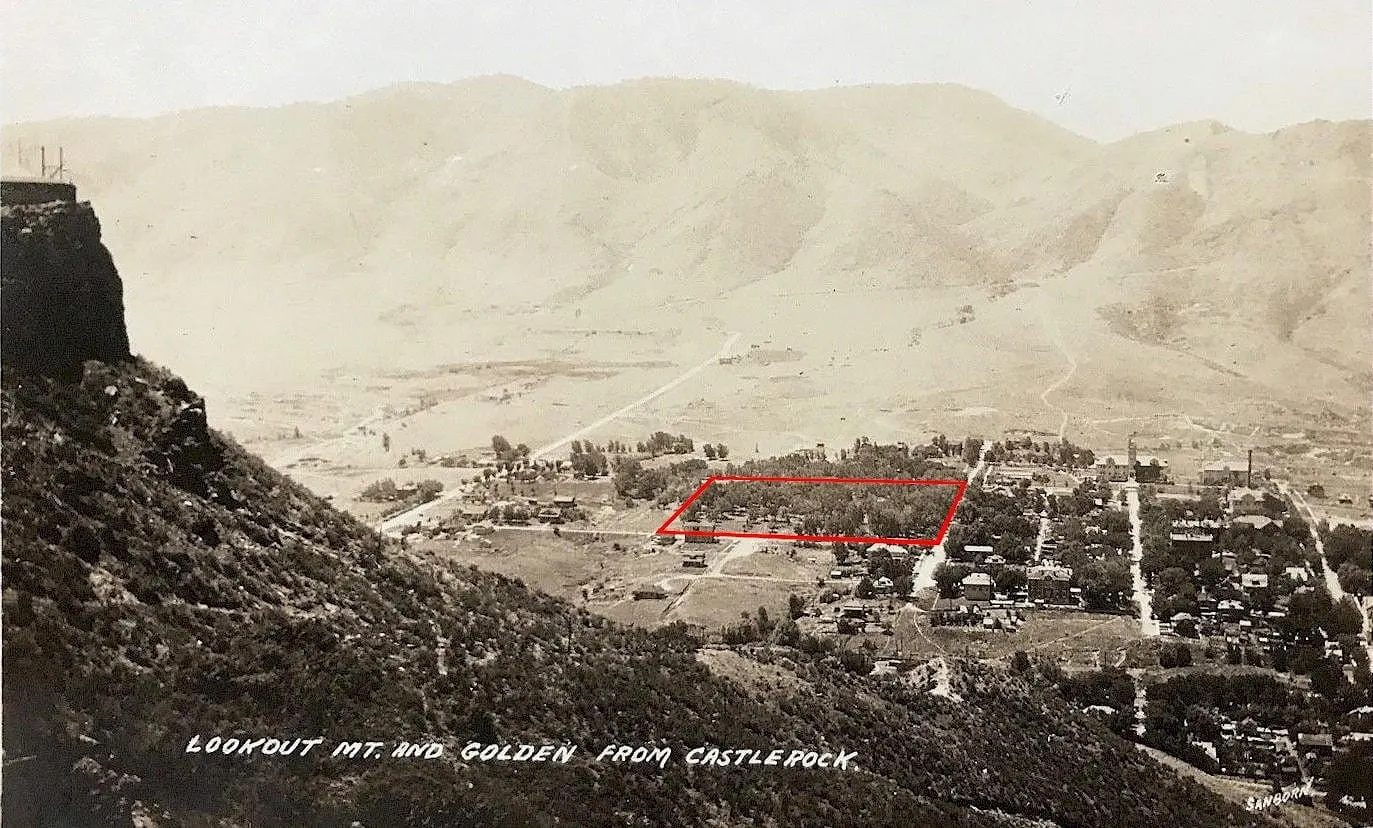
The East Street playground was not mentioned in the Transcript again, but apparently it inspired some community conversation. Council decided that a playground would be a good idea, but concluded that it belonged in City Park. That was a larger piece of property, which would allow the playground to be farther from the streets. As Mayor Jones commented, "if we can get a playground far from the streets, I believe it will be worth while and the City Park is the place."
The P.T.A. installed a sandbox, a wading pool, and "travel rings." The Kiwanis Club paid for a slide and the American Legion installed swings. The D.A.R. helped finance stone restrooms and grills.
The playground was popular, but the equipment was often vandalized and rarely fixed.
The Transcript printed this sad piece in 1948.
78 Years Ago
NO PLACE TO PLAY
You know, it’s just downright pitiful that Golden has no playground for the children, when you see how they love those poor, dilapidated pieces of equipment that are still standing in Pioneer park.’
There’s seldom an hour during any nice day that there are not a few children and sometimes several playing on the rings, the swings and the slide. They don’t mind that there’s a rung missing on the ladder to the top of the slide. They stretch and strain and manage to get to the top. They don’t mind that one swing is gone entirely, another has broken and been hiked up to an uncomfortable height. They don’t care that two of the rings are gone and the chains have been tied together. They still thoroughly enjoy and love what is left— and they use it continually.
And the poor wading pool that some organization struggled to get built once upon a time. Now it is full of sand, waste paper, broken glass, splintered wood, orange peel, twigs, dead leaves and such. Of course it is never used anymore because it was a health hazard and the dogs practically crowded the children out. But wouldn’t it be wonderful if there were a nice, fenced-in wading pool for the children and a beautiful playground with lots of good, sturdy equipment?
Colorado Transcript – June 17, 1948
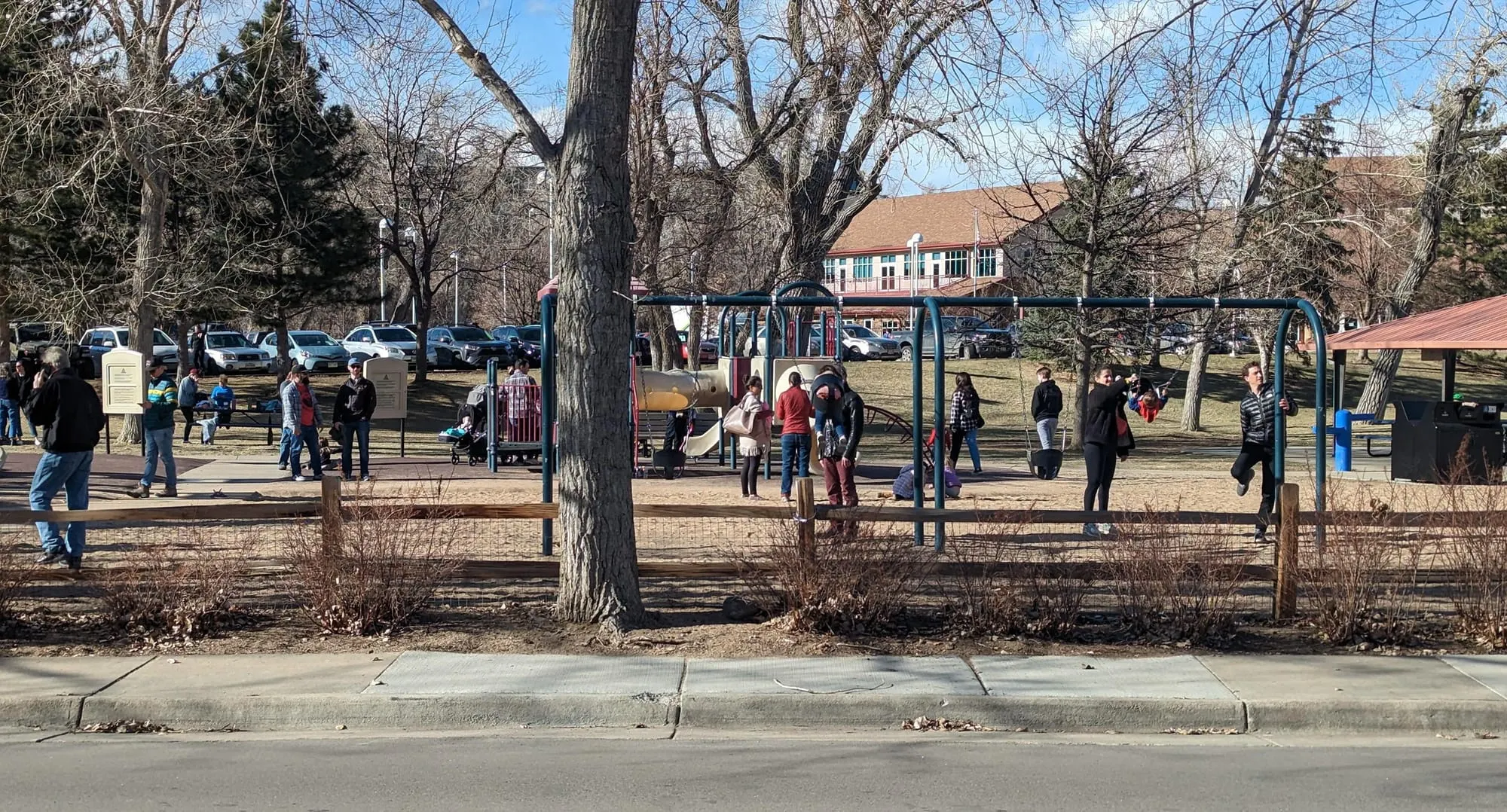
Not long after this, the City decided to sell City Park (a/k/a Pioneer Park) to Jefferson County and the School of Mines. Civic groups began focusing instead on the land near Clear Creek. For whatever reason, that location worked better. The Kiwanis Club built a picnic area and the campground. The Optimist Club installed the playground. The Lions Club built the athletic fields. The DAR planted many trees. In 1959, the citizens of Golden approved a bond issue to build an outdoor pool, recreation center, and tennis courts.
The idea of building neighborhood parks so children could play close to home wasn't entirely forgotten. In the 1980s, the City began an energetic program of building neighborhood parks. We now have 21 parks, and most have playgrounds.
Sometimes it just takes a few years (like 93) to bring an idea to fruition.