
115 Years Ago
The September 14, 1911 Colorado Transcript announced that the Standley dam and irrigation system was completed. The Governors of both Wyoming and Colorado were present for the celebration, as well as the Secretary of Agriculture. Why was this such a big deal, and what’s the tie-in to Golden?
Why it was a big deal:
When white settlers first came to Colorado, this land was considered part of The Great American Desert. The pioneers hoped to farm the land, but before they could do that, they had to discover whether the land was arable. As it turned out, it was–Colorado is a great place to grow food, as long as we can get water to the fields. For this reason, people began to dig ditches almost as soon as they arrived in this region. Those ditches changed Colorado from a semi-arid “desert” into a thriving agriculture state.

Tie-in to Golden:
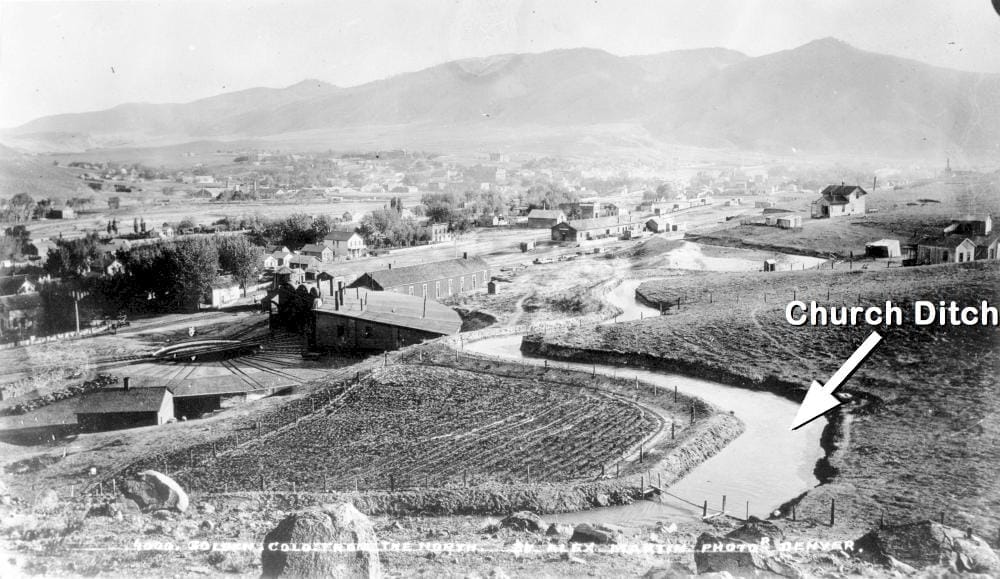
The Church Ditch was started in 1865. It was excavated by crews of men with shovels. The builders diverted water from Clear Creek at a point about a half mile west of 6th Avenue/Highway 6. The ditch then skirted the south shoulder of North Table Mountain and headed north and east. It eventually extended 26 miles, and its water was used to cultivate dozens of farms along the way. Standley Lake (map) was built to store water from Church Ditch and other sources. That water was originally intended for irrigation, but today it provides drinking water for Westminster, Northglenn, and Thornton.
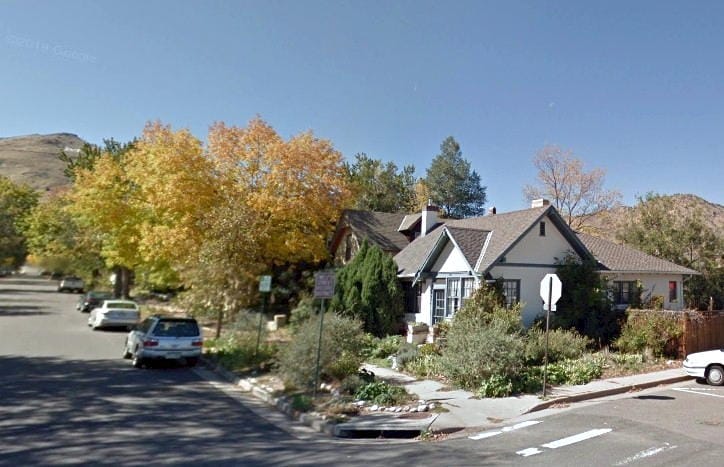
Another local connection–Standley was an early resident of Golden, and was the first owner of this house at 12th and Arapahoe: