115 Years Ago
The December 8, 1910 Colorado Transcript described several instances of damage from a recent windstorm.
Chimneys and fences were blown down, tent houses were moved into strange lots, considerable damage was done to School of Mines buildings, plate glass fronts were blown in at Paul Ficht's and the Star theatre, and there was more or less destruction all around.
The articles went on to describe the experience of W.W. Dean. He was standing in his tent house "when a sudden gust lifted the whole thing skyward. Dean was knocked unconscious and dropped from the structure when about eight feet in the air. The tent was carried about twenty feet and entirely wrecked."
Mr. Dean was declared to be "but little the worse for his novel experience."
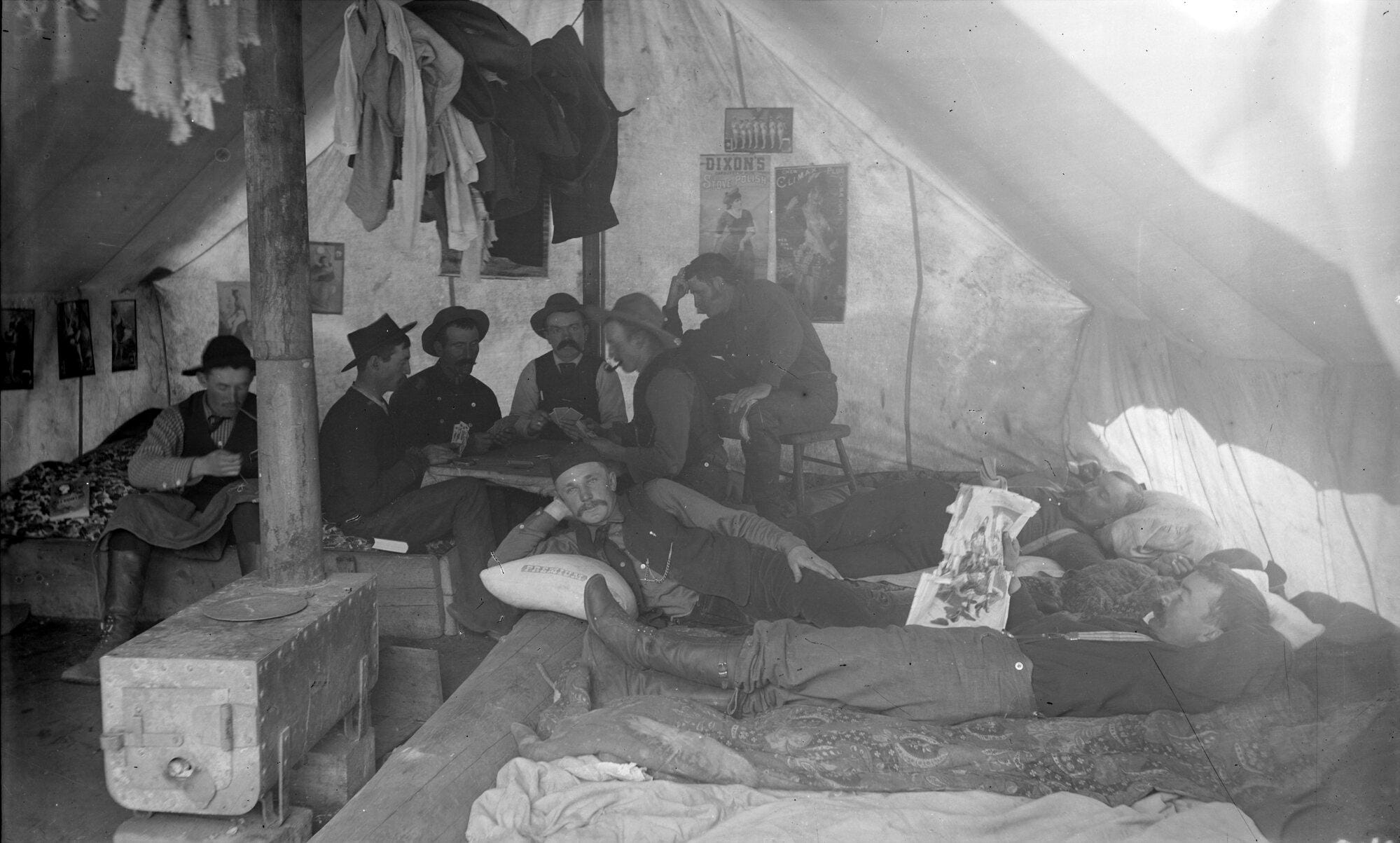
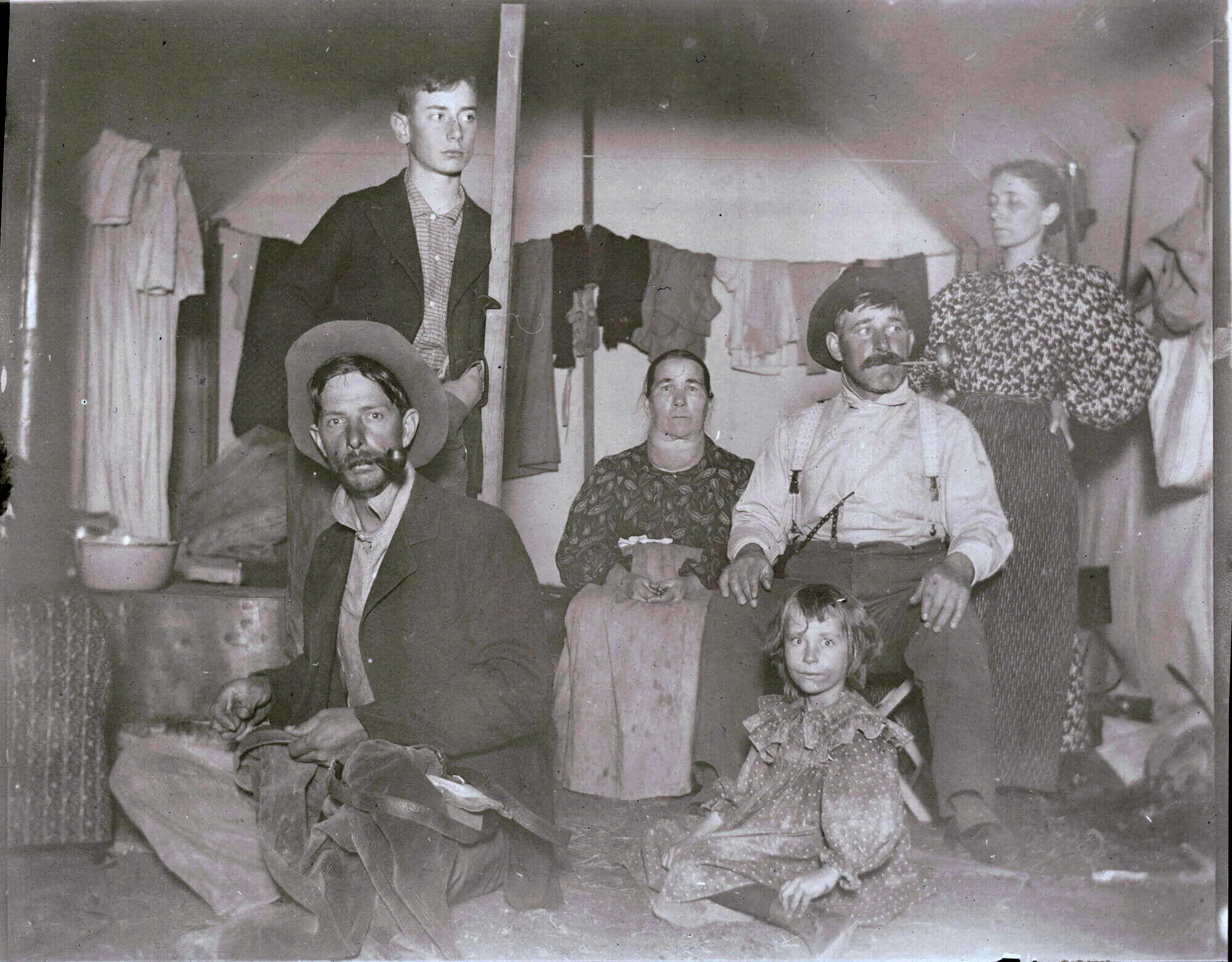
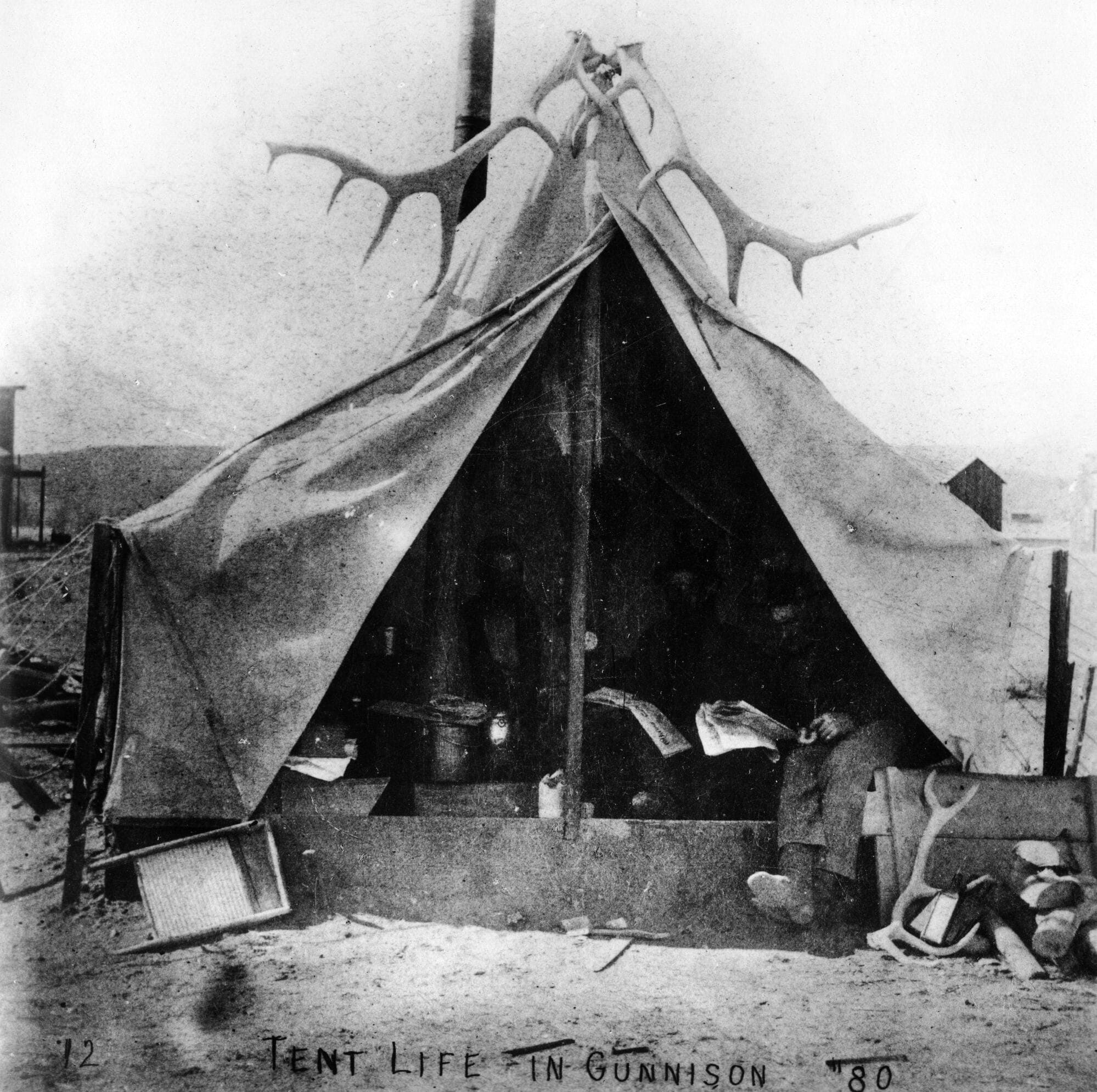
I was struck by the references to tent houses. Those appeared fairly often in The Transcript and other Colorado newspapers in the late 19th/early 20th century. They were apparently the affordable housing of the day. Some had wooden roofs; some had multiple rooms. They could be moved, so they often appeared in the classified ads.
May 7, 1914
For Rent—Furnished tent house, modern near car line. Enquire of Mrs. John Cuthbertson.
August 27, 1914
Mrs. Arch Slingerland had a narrow escape from death or injury last week when a bullet went through the walls of her tent house a few feet from her head. The bullet was fired by some one engaged in target practice on a vacant lot near-by.
November 30, 1916
For Rent—Modern, furnished tent house. Phone 132 J.
April 1, 1920
For Sale ($700)—Two room tent house, very convenient, 2 lots central location.
February 3, 1921
Mrs. Renaldson is having a tent house moved from Evergreen to her property on the Pearson addition.
August 17, 1922
For Sale—5-room frame house and furniture; tent house included. Enquire at 501 18th St.
November 5, 1936
Clark Hurley has purchased two acres from Joe Pearson on the Ollice Place, West Forty-fourth and Lee's lane. He will move his tent house from the Donnell place and build onto it.
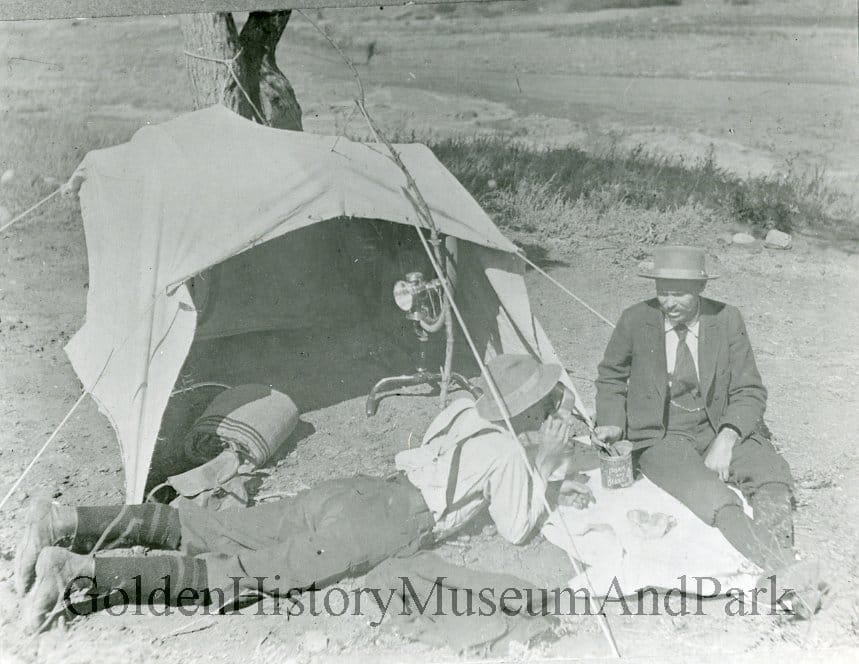
Of course, tent houses weren't safe. In addition to the dangers of blowing away and having bullets pass through your walls, it was inherently dangerous to have stoves burning inside fabric structures.
The December 30, 1926 Transcript described two brothers who were living in a tent house in Golden. They were both students—one at Golden High School, the other at an art school in Denver. One day the older one was feeling unwell so he built up the fire in the stove and fell asleep. The tent caught fire and he escaped just before it was completely engulfed in flames. The boys lost their clothing, schoolbooks, and personal belongings as well as their shelter.