For many years, the Golden Fire Department was staffed entirely by volunteers. They also had to raise funds to buy their firefighting equipment. Generally, they did this by selling tickets to dances hosted by the firefighters.
During the Depression, the Loveland Hose Company (one of three firefighting companies) came up with the perfect fund-raiser for the times: Penny Night. At this event, everything cost 1 cent: admission, the games, sandwiches, coffee, and dances. This was an event that most community members could afford.
Merchants donated prizes, and there were so many that in 1933 they gave away a prize a minute for the duration of the event. The grand prize was a big ham.
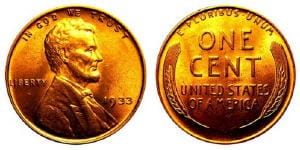
The first Penny Night took place in 1933. It attracted approximately 500 people, and 75 couples stayed for the dance. The event was so successful that they repeated it in 1934, ’35, ’36, ’38, ’40, ’41, and ’42. Most years, the newspaper did not report on the amount collected, but the 1935 Night cleared 7500 pennies ($75).
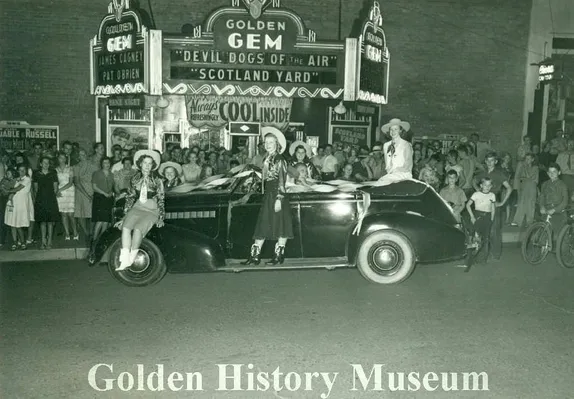
Penny Night was so popular that they always exceeded the capacity of the Loveland Fire House (apparently, they didn’t have fire codes at the time). In 1940 and again in 1941, they moved the event to the Golden Plunge Recreation Center (now the Buffalo Rose), Rhe prices had gone up by then: admission to attend the dance was 11 cents for ladies and 41 cents for gentlemen.
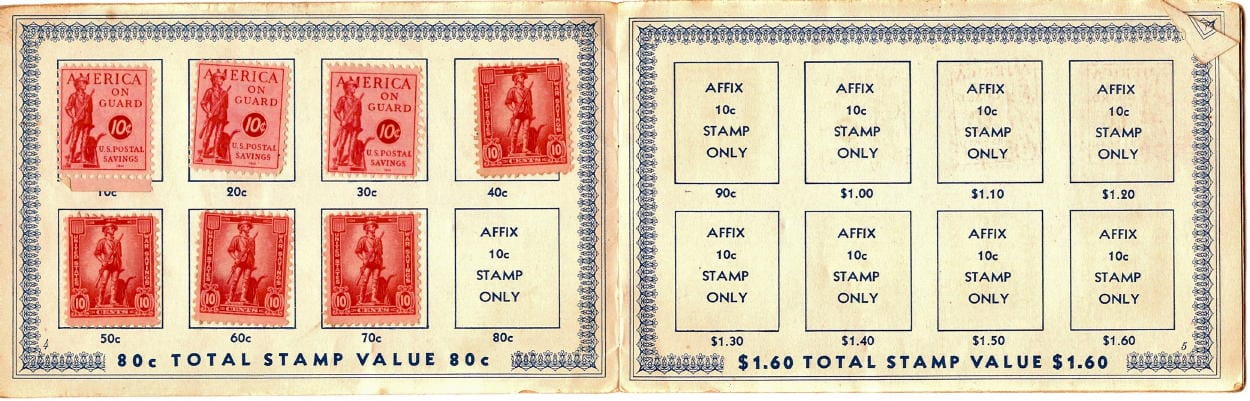
The final Penny Night was held on April 25, 1942. They moved back to the Loveland Station that year. World War II had started by then, and the Transcript commented that pennies were now being used to buy defense stamps and war bonds, but if you have a few strays, bring them to Penny Night.
The Transcript doesn’t explain why Penny Night ended, but it's likely that the fire department just didn’t have the manpower to run it. Many of the firefighters were probably serving overseas. In any case, it was the perfect fund-raiser for the Depression years–a great way to raise both money and spirits in the community.