By Tom Schweich
Part 1 of this article appeared last week.
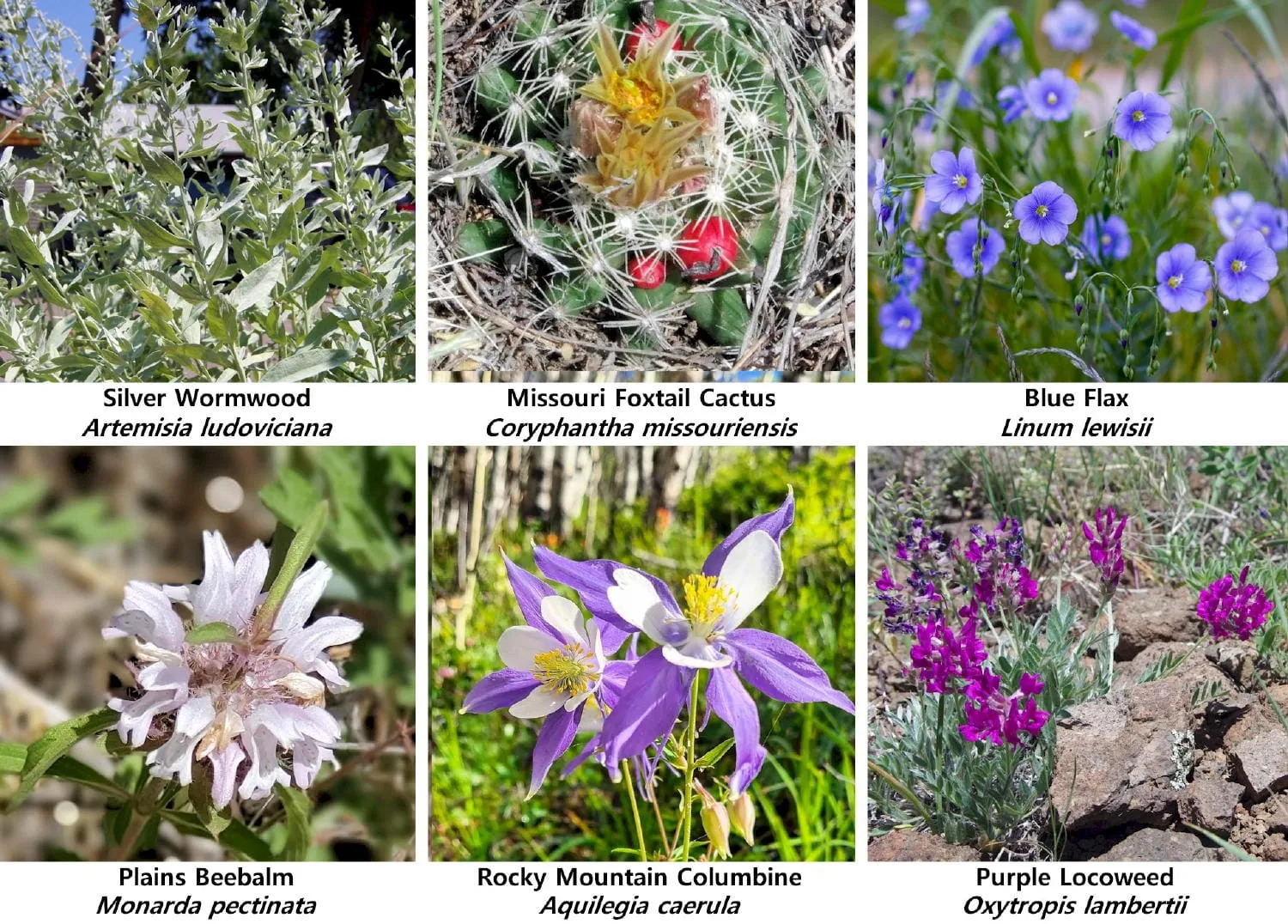
The names of some plants in Golden contain the words Louisiana or Missouri. For example, Silver Wormwood (Artemisia ludoviciana) in which “ludoviciana” is a Latinized form of Louisiana, or the Missouri Foxtail Cactus (Coryphantha missouriensis). These were not named for the states of Louisiana or Missouri, but for the Louisiana Territory which stretched from the Arkansas River north to Canada and included Golden, or for the Missouri River which was a major route of transportation in the territory.
Many of the plants in Golden were found by early explorers travelling on the Missouri River in the Louisiana Territory. The Lewis & Clark Corps of Discovery of 1803 to 1806 resulted in the identification of about ten plants that occur naturally in Golden. Blue Flax (Linum lewisii) would be one that most people recognize. Another explorer was Thomas Nuttall, an Englishman who explored the North American continent, traveling the Missouri River in 1810-1811, the Arkansas in 1818-1820 and the Platte River by the Oregon Trail in 1834-1836. Twenty-two species of plants found in Golden were collected and named by Nuttall. The Plains Beebalm (Monarda pectinata) would an example of Nuttall discovery that is found in Golden.
The earliest scientific expedition that came close to Golden was the Major Stephen H. Long expedition of 1820, with Edwin James, M.D., botanist. They came up the South Platte River in 1820, camping July 4, 1820 at the mouth of Clear Creek. Attempting to reach the mountain front, they traveled up Clear Creek 8 miles (near Inspiration Point, Wadsworth and I-70) but were discouraged that the mountains did not appear to be any closer. The Colorado State Flower, the Rocky Mountain Columbine (Aquilegia caerula) was collected by Dr. James near Palmer Lake south of Golden.
The oldest plant collection from Golden with reliable data is Edward L. Greene’s collection of Purple Locoweed (Oxytropis lambertii) on May 1, 1870. Greene was an Episcopal minister who moved to Colorado in 1870. After taking an interest in botany in Colorado, Greene went on to become California’s first Professor of Botany.
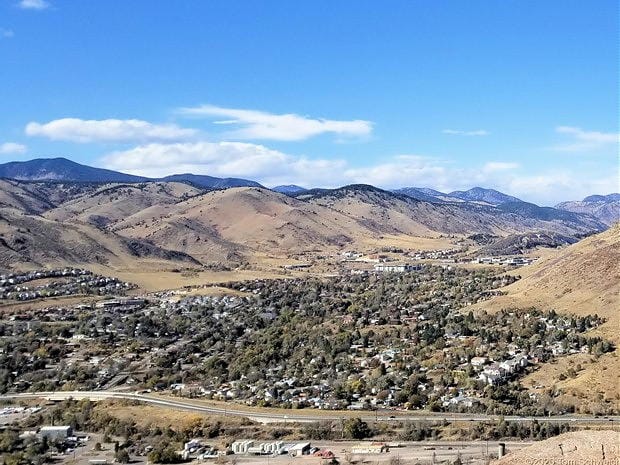
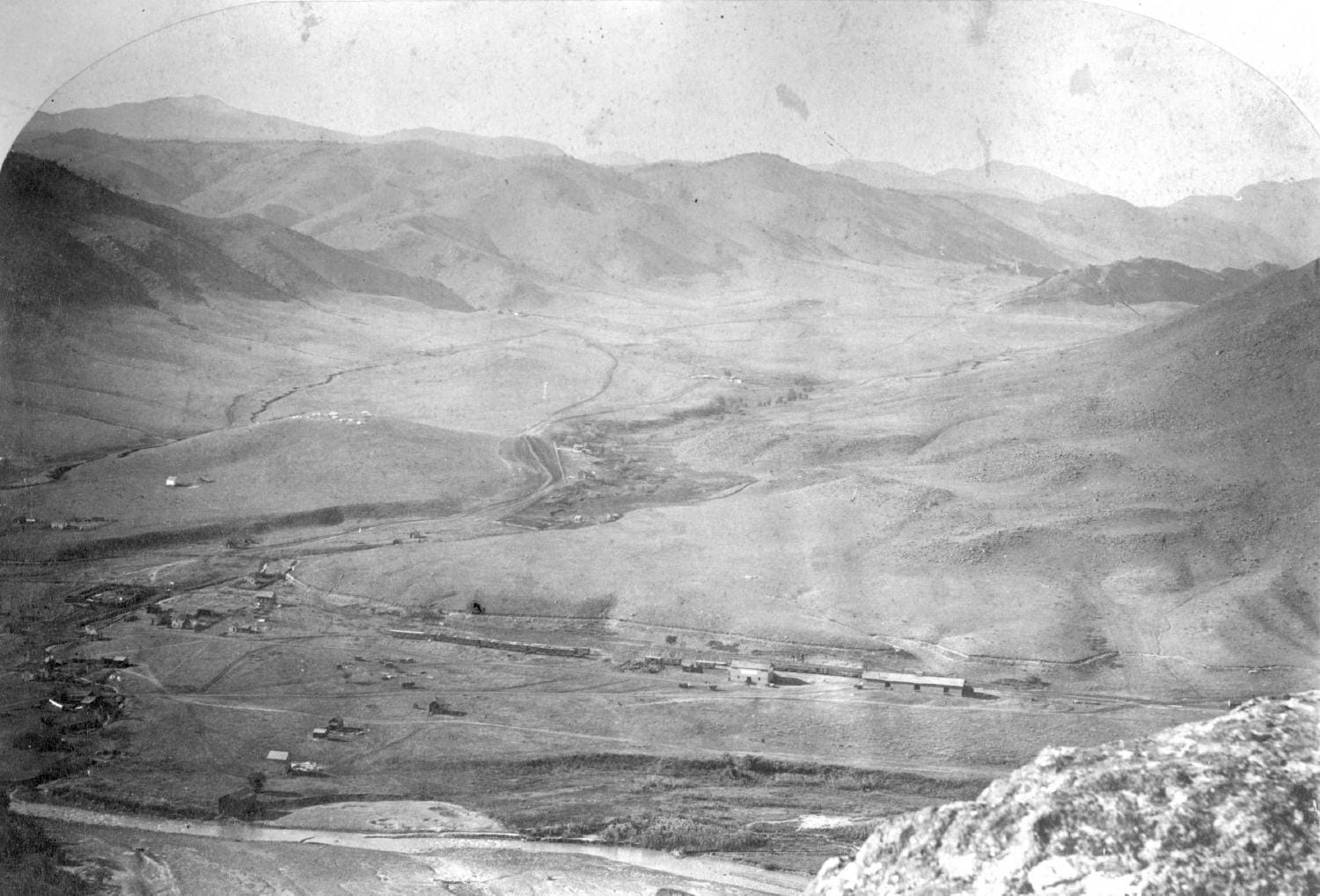
Golden owns several open spaces that give us a glimpse of what Golden looked like long ago. In addition, Jefferson County Open Space preserves more land, though very little of the mixed-grass prairie that once filled Golden Valley. As our publicly owned lands come under pressure for recreational activities, the natural values can be overlooked. The city is working to define what we mean by open space and how our open space should be managed in the future. Toward that end a small group of Golden residents has formed Stewards of Golden Open Space and are working with the city on the Open Space Master Plan.